
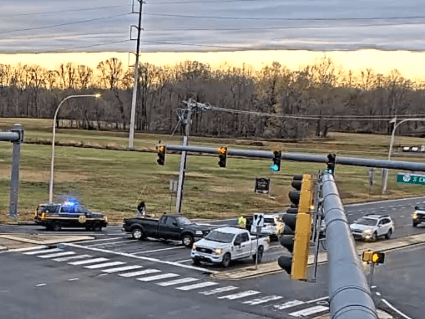
The dynamics of Wstw traffic present a complex interplay of seasonal demand variations, urban infrastructure developments, and socio-economic factors that shape commuter behavior. Understanding these elements is crucial for cities aiming to enhance traffic management and improve the commuting experience. As urban areas grapple with increasing population densities, the need for innovative solutions becomes increasingly apparent. What strategies can effectively address these challenges, and how might emerging technologies play a pivotal role in shaping the future of urban transportation?
See also: Easy:Qvfv1jcqrho= Anime
Factors Influencing Wstw Traffic
The volume of Wstw traffic is significantly influenced by a myriad of factors, including seasonal demand fluctuations, urban infrastructure developments, and socio-economic trends that shape commuter behavior.
Effective urban planning and investment in road infrastructure are essential to accommodate growing populations and enhance mobility.
Analyzing traffic patterns reveals insights into peak periods, enabling tailored interventions that promote efficient transportation and individual freedom in commuting choices.
Innovative Solutions for Congestion
Innovative solutions for congestion must leverage data analytics and smart technology to optimize traffic flow and enhance commuter experience in urban environments.
Implementing public transport improvements and integrating smart city initiatives can significantly reduce vehicle dependency.
The Role of Technology in Transportation
Advanced technologies are revolutionizing transportation by enabling real-time data sharing, enhancing navigation systems, and facilitating the development of autonomous vehicles, thereby significantly improving overall efficiency and safety in urban mobility.
The integration of smart infrastructure with these innovations promotes adaptive traffic management and reduces congestion, allowing for more freedom in movement.
This data-driven approach ensures a sustainable and responsive transportation ecosystem.
Conclusion
In conclusion, the intricate dance of Wstw traffic is choreographed by a multitude of factors, including seasonal demand, urban infrastructure, and socio-economic trends.
As cities evolve, the integration of innovative solutions and advanced technology emerges as the beacon guiding effective traffic management.
By harnessing data analytics and smart technologies, urban environments can navigate the challenges of congestion, ensuring a seamless flow of movement that mirrors the dynamic pulse of the city.
See also: Easy:Ysopkvlk90y= Drawings