
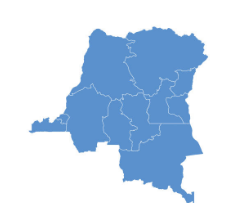
The map Ojdo4age57o= of the Congo presents a multifaceted view of a nation characterized by its lush rainforests and complex waterways, which play a crucial role in both its ecology and economy. Furthermore, it highlights the rich tapestry of over 200 ethnic groups, each contributing to the cultural mosaic that defines the region. However, the implications of resource exploitation raise critical questions about sustainability and the preservation of both the environment and local communities. What solutions might emerge to address these pressing issues?
Overview of the Congo’s Geography
Situated in Central Africa, the Congo boasts a diverse geography characterized by expansive rainforests, vast river systems, and significant mineral deposits that shape both its ecosystem and economic potential.
The intricate river systems serve as vital arteries for transportation and commerce, while the rich wildlife habitats support a multitude of species, highlighting the region’s ecological importance and the need for sustainable management to preserve these natural resources.
Cultural and Ethnic Diversity
The Congo is a tapestry of cultural and ethnic diversity, comprising over 200 distinct ethnic groups, each with its own unique languages, traditions, and social structures that contribute to the rich cultural heritage of the region.
This diversity fosters vibrant cultural practices and promotes ethnic harmony, enabling various groups to coexist while celebrating their distinct identities within a broader national context.
See also: Map:M3oitg8aqas= Carthage
Natural Resources and Challenges
Rich in natural resources, the Congo region boasts vast reserves of minerals, forests, and water.
Yet, these assets are often accompanied by significant environmental and socio-economic challenges.
The extraction of mineral wealth frequently leads to environmental degradation, threatening biodiversity and local communities.
Balancing resource exploitation with sustainable practices is essential for safeguarding both the environment and the well-being of the Congolese people.
See also: Map:Isdsb1f8uba= Patagonia
Conclusion
The map Ojdo4age57o= of the Congo serves as a vivid tapestry, weaving together the intricate threads of geography, culture, and environmental challenges.
The lush rainforests and meandering rivers are not merely physical features; they embody the lifeblood of diverse communities, each contributing to a rich cultural mosaic.
However, the specter of resource exploitation looms large, urging a collective responsibility towards sustainable practices that safeguard both natural heritage and the well-being of future generations.