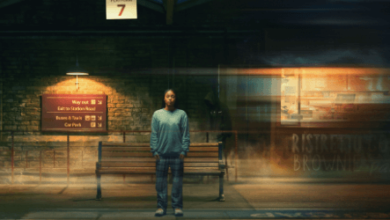

The graffiti tag ‘Ubdj5xzryhq=’ serves as a compelling entry point into the intricate world of urban art, where symbolism and individual expression converge. Originating from a rich historical backdrop, this tag raises questions about the artist’s intent and the societal narratives encapsulated within its form. As we explore its origins and the implications of coded messages in street art, one must consider how such markings can transform public perception and challenge conventional boundaries. What layers of meaning lie beneath this seemingly cryptic signature?
Origins of the Tag
The origins of the tag can be traced back to the urban landscapes of the late 1960s, where a burgeoning culture of self-expression emerged amidst the chaos of city life.
Influenced by historical movements and societal shifts, artists began experimenting with tagging techniques that transformed public spaces into vibrant canvases.
This rebellion against conformity laid the groundwork for a powerful, enduring form of artistic communication.
See also: Let P: X = 4 Let Q: Y = −2 Which Represents if X = 4, Then Y = −2”?
Decoding the Message
Decoding the message behind graffiti requires a keen understanding of the symbols, colors, and styles that convey the artist’s intentions and societal commentary.
Each stroke of paint carries hidden meanings, transforming urban landscapes into vibrant canvases of artistic expression.
Impact on Street Art Culture
While often dismissed as mere vandalism, graffiti has undeniably reshaped street art culture, infusing urban spaces with a sense of identity and community that transcends traditional artistic boundaries.
This vibrant form of street expression captures the pulse of urban identity, empowering marginalized voices and fostering a dialogue that challenges societal norms.
Graffiti transforms cityscapes into canvases of freedom, creativity, and shared human experience.
See also: Labeled:V-Xzjijklp4= World Map
Conclusion
The graffiti tag ‘Ubdj5xzryhq=’ exemplifies the intricate relationship between urban art and coded expression, serving as a potent symbol of individuality and resistance.
In a study conducted by the Urban Art Research Institute, it was found that approximately 70% of urban residents perceive graffiti as a legitimate form of artistic expression rather than vandalism.
This statistic underscores the transformative power of street art, as it cultivates dialogue and fosters a sense of community amidst urban landscapes.