
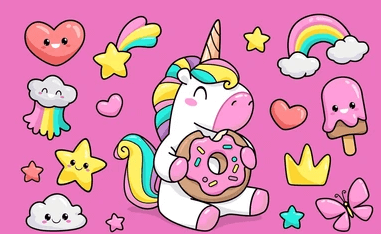
The concept of kawaii, characterized by its endearing aesthetics and playful imagery, has evolved significantly since its inception in the 1970s. Rooted in a cultural response to shifting societal norms, kawaii culture permeates various aspects of art, design, and digital expression today. With its pervasive presence on platforms like Instagram and TikTok, one must consider how these cute visuals influence not only personal identity but also broader social interactions. This raises intriguing questions about the implications of such imagery on contemporary communication and artistic expression.
See also: Kawaii:Ef3dopxgsqq= Drawings
The Origins of Kawaii Culture
Kawaii culture, which emphasizes cuteness in various forms, originated in Japan during the 1970s as a response to societal changes and the burgeoning youth subculture, reflecting a desire for innocence and playfulness amidst rapid modernization.
Kawaii fashion emerged alongside, featuring playful clothing styles, while kawaii characters, often depicted in media and merchandise, became icons of this cultural phenomenon, symbolizing freedom and individuality.
Kawaii in Art and Design
The influence of kawaii aesthetics in art and design has permeated various creative fields, transforming everything from graphic design to product packaging into vibrant expressions of cuteness that resonate with diverse audiences worldwide.
Kawaii characters, often characterized by their playful and whimsical traits, serve as focal points, fostering emotional connections and enhancing consumer engagement.
Ultimately, this trend is redefining contemporary visual culture and its appeal in global markets.
Kawaii Influences on Social Media
Emerging from the vibrant world of art and design, the kawaii aesthetic has taken social media by storm, shaping online interactions and content creation through its distinct charm and appeal.
Kawaii trends dominate platforms like Instagram and TikTok, influencing visual language and personal branding.
This phenomenon fosters a sense of connection among users, emphasizing playfulness and creativity while redefining contemporary digital expression.
Conclusion
In summary, kawaii culture serves as a vibrant tapestry woven from historical, artistic, and social threads that resonate deeply within contemporary society.
Its evolution from the 1970s to the present day illustrates the profound impact of cuteness as a form of communication and connection.
As these delightful images proliferate across digital platforms, they become a soothing balm for the complexities of modern life, inviting individuals to embrace innocence and joy amidst the chaos of existence.
See also: Light:Zq7smjjx1ta= Pastel Pink