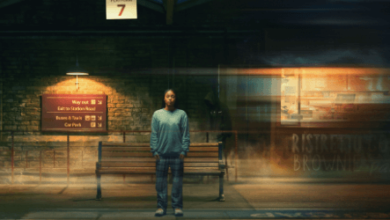

Art serves as a profound lens through which we can examine the continual process of change within society. It not only reflects the transformations in cultural values and collective consciousness but also actively participates in shaping them. By analyzing various artistic movements and their response to social issues, one can uncover the intricate relationship between creativity and the evolving human experience. This exploration prompts a deeper inquiry into how art not only documents change but also catalyzes it, inviting us to consider the implications of this dynamic interplay. What new narratives might emerge from this ongoing dialogue?
The Influence of Change on Art
Change serves as a catalyst in the evolution of art, shaping not only the techniques and materials used by artists but also the thematic concerns that reflect the societal transformations of their time.
This dynamic interplay fosters cultural evolution, where emotional expression becomes a conduit for artists to communicate the complexities of human experience, offering profound insights into the shifting values and aspirations of society.
Artistic Techniques Reflecting Transformation
Artistic techniques have continually evolved, adapting to shifts in cultural, technological, and philosophical landscapes, thereby reflecting the transformative nature of society itself.
The use of dynamic mediums, such as digital art and mixed media, showcases the expanding possibilities for expression.
Concurrently, evolving styles highlight artists’ responses to contemporary issues, ultimately serving as a mirror to the collective consciousness and aspirations of a changing world.
See also: Anime:Z-Pki3d0-Cm= Hair
Case Studies of Art and Change
Numerous case studies illustrate how specific artistic movements have not only mirrored societal shifts but also actively influenced cultural discourse, demonstrating the intricate relationship between art and the dynamics of change.
For instance, the Harlem Renaissance championed African American identity, while contemporary street art often embodies social movements, challenging norms and prompting reflection on cultural shifts.
Thus, fostering a dialogue that resonates with the quest for freedom.
See also: Anime:Wdqpv0wy5ho= Gun
Conclusion
In conclusion, art serves as a mirror reflecting the ever-evolving landscape of human experience, akin to a river that carves its path through the terrain of society.
The dynamic relationship between art and change reveals not only the complexities of cultural transformations but also the potential for dialogue and understanding within communities.
By examining the interplay of artistic techniques and social movements, a richer comprehension of both art and its role in shaping collective consciousness emerges.