
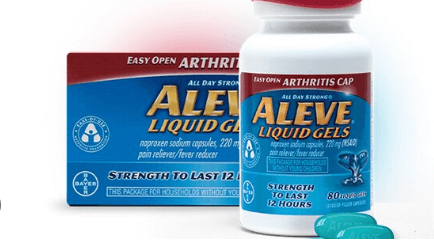
Aleve, primarily composed of naproxen sodium, stands out as a significant player in the realm of nonsteroidal anti-inflammatory drugs (NSAIDs). Its efficacy in alleviating pain and reducing inflammation is well-documented, yet the implications of its prolonged use reveal a complex landscape of potential side effects, particularly concerning gastrointestinal and cardiovascular health. As we explore the mechanisms behind Aleve’s effectiveness and its comparisons with other over-the-counter alternatives, it becomes essential to weigh the benefits against the risks, prompting a critical examination of its role in pain management strategies.
What Is Aleve?
Aleve is a nonsteroidal anti-inflammatory drug (NSAID) commonly used to relieve pain, reduce inflammation, and lower fever.
The recommended Aleve dosage varies by age and condition, typically ranging from one to two tablets every eight to twelve hours.
While effective, users should be aware of potential Aleve side effects, including gastrointestinal issues and increased risk of heart complications with prolonged use.
See also: Blue:4w5_Suazh-U= Background
Key Ingredients and Their Benefits
The primary active ingredient in Aleve is naproxen sodium, which acts as an effective analgesic and anti-inflammatory agent.
This compound provides significant pain relief by reducing inflammation and blocking pain signals in the body.
With its long-lasting effects, Aleve enables individuals to regain their freedom from discomfort, making it a preferred choice among over-the-counter pain relievers due to its potent active ingredients.
Comparing Aleve to Other Pain Relievers
When evaluating over-the-counter pain relievers, naproxen sodium, the active ingredient in Aleve, stands out for its extended duration of action compared to alternatives like ibuprofen and acetaminophen.
Aleve efficacy is notable for providing relief for up to 12 hours.
However, potential Aleve side effects, such as gastrointestinal discomfort, should be considered, emphasizing the need for informed choices in pain management.
See also: Blue:4ifv0vbcokm= Aesthetic
Conclusion
In the realm of pain management, Aleve stands as a steadfast sentinel, wielding naproxen sodium to combat discomfort and inflammation.
While its efficacy shines brightly, shadows of potential side effects linger, necessitating thoughtful consideration.
The balance between relief and risk must guide individual choices, ensuring that the path to wellness is both effective and safe.
Ultimately, Aleve offers a powerful option, but prudence remains the compass for those navigating the landscape of pain relief.