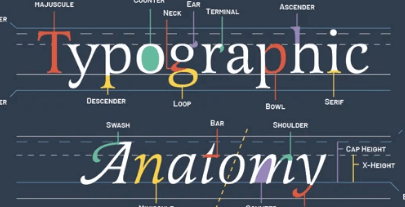
Typography serves as the backbone of visual communication, influencing both the aesthetic appeal and the clarity of messages conveyed through design. By mastering the principles of typographic hierarchy and font pairing, designers can create a seamless visual narrative that not only captures attention but also facilitates understanding. However, as the landscape of design continues to evolve, the role of typography is becoming increasingly complex. What implications does this shift have for contemporary practices, and how can designers adapt to ensure their typographic choices remain effective?
Key Principles of Art:Ktayzzcu7jc= Typography
Typography, as a fundamental element of design, encompasses five key principles that govern its effectiveness in communication and aesthetic appeal.
Central to its mastery are typographic hierarchy and font pairing. Hierarchy guides the viewer’s eye, crafting a visual narrative, while thoughtful font pairing creates harmony and contrast, allowing each typeface to resonate.
Together, they empower designers to evoke emotion and convey meaning with clarity.
Applications in Modern Design
In the realm of modern design, the strategic application of typographic principles enhances user experience and brand identity, transforming text into a powerful visual tool.
Effective font pairing creates harmony, while prioritizing digital readability ensures accessibility across platforms.
See also: Art:Kawiisdny2g= Stitch
Importance for Designers
Mastering typography empowers designers to craft compelling narratives and shape user interactions, ensuring that every letter contributes to a cohesive visual language.
By establishing a clear typographic hierarchy, designers guide the viewer’s gaze, enhancing comprehension and engagement.
Effective font pairing further elevates design, creating harmony and contrast that captivates the audience.
Typography is not just style; it is a powerful tool for creative expression.
See also: Art:Fph4dsbl7ly= Design
Conclusion
In the realm of design, typography serves as a bridge between text and emotion, a compass guiding the viewer’s journey through visual landscapes.
It shapes clarity through hierarchy, dances with creativity through font pairing, and weaves coherence into the fabric of communication.
Typography elevates the ordinary to the extraordinary, transforms mere words into art, and crafts identities that resonate.
Mastery over typography empowers designers to illuminate ideas, captivate audiences, and breathe life into the written word.